 MuhammadSalis
For decades, gold sat quietly as a peripheral reserve asset—until recently. In the topstory of global finance now lies a subtle yet profound shift: major central banks, led by People’s Bank of China (PBOC), are quietly accumulating gold at scale. As they do, gold prices are soaring—and the implications reach far beyond commodities markets.
Here’s how China’s strategy is playing out, what it signals about the global economy, and why investors (and policymakers) should care.
What’s Happening: China’s Gold Accumulation
- Official data show China’s gold reserves increased to around 2,298 tonnes by mid-2025. World Gold Council+3Trading Economics+3EconomyNext+3
- PBOC has recorded eight to ten consecutive months of gold purchases in 2024-25. NAI500+1
- Analysts believe the true figure may be far higher: some estimates suggest secrecy may hide thousands of additional tonnes, potentially putting China’s holdings at 5,000+ tonnes. Money Metals Exchange+1
- Globally, central banks added 1,000+ tonnes annually for three years in a row (2022-24)—the highest sustained buying in decades. Gold-Price.Live+1
Why China Is Buying Gold — Three Big Drivers
1. A “Firewall Against Weaponisation”
When the West froze large chunks of Russia’s foreign reserves in 2022, China took note. Gold stands out as a reserve asset that cannot be easily frozen, sanctioned, or manipulated. As one analyst put it: “gold can’t be sanctioned … offers a firewall against dollar weaponisation.” MarketWatch
2. Diversifying Away from the U.S. Dollar
China holds massive foreign-exchange reserves, heavily denominated in U.S. dollars. By adding gold, Beijing reduces dependence on the dollar and increases monetary flexibility. It also strengthens the credibility of its own currency ambitions. Discovery Alert+1
3. Hedging Against Currency Risk & Inflation
With global debt levels elevated, inflation threats rising, and interest-rate landscapes uncertain, gold becomes a trusted hedge. China’s steady buying even as other assets fluctuate signals the view of gold as a long-term store of value. Money Metals Exchange+1
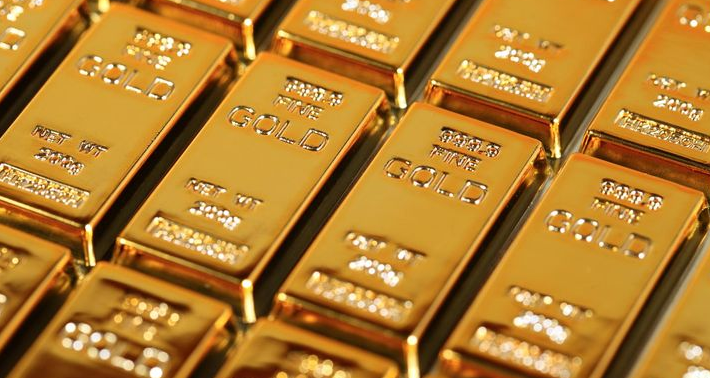
How This Strategy Is Pushing Gold Prices Up
China’s accumulation (and similar moves by other central banks) affect the supply-demand dynamics of the gold market:
- Supply absorption: Large volumes of bullion are being taken off the market—reducing availability for investors and speculators.
- Price floor effect: Consistent official buying sets a baseline demand, making gold less prone to sharp downturns.
- Sentiment shift: When a major economy buys gold with apparent strategic purpose, it sends a signal to global investors, boosting safe-haven demand.
As a result, gold has regained prominence. According to the European Central Bank (ECB), gold overtook the euro to become the second-largest global reserve asset in 2024, around 20% of official reserves. The Wall Street Journal
Broader Implications: What This Means for the Global Economy
Geopolitically:
China’s gold strategy underscores a willingness to decouple from Western-dominated financial systems, especially if sanctions or monetary weaponisation become tools of power.
Monetarily & Financially:
If gold becomes a larger part of reserve portfolios, the dominance of the U.S. dollar may come under pressure. Diversification means nations may be less trusting of dollar-only reserves in future.
For Investors & Markets:
Gold’s revival is not merely speculative—it’s structurally supported. Investors may need to re-assess gold’s role in portfolios given the underlying central bank demand.
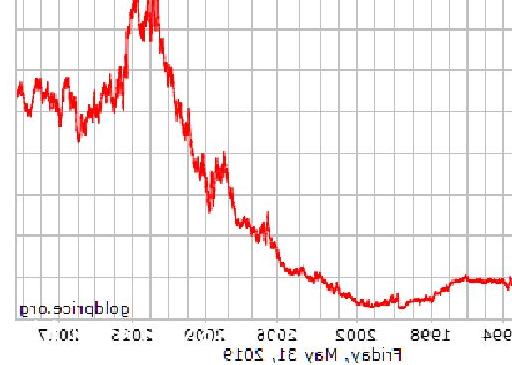
Challenges and Questions Ahead
- Transparency: China’s exact holdings remain opaque. The difference between official and estimated reserves is large.
- Timing: While gold has risen sharply, timing markets remains difficult—especially since other variables (interest rates, economic growth) also matter.
- Scale: Though China is a major buyer, global accumulation is multi-country. Whether this leads to a new reserve asset regime remains unclear.
What to Watch
- Continued monthly disclosures of Chinese and other central bank gold purchases.
- Movements in gold prices—especially if China buying persists during market pauses.
- Shifts in the U.S. dollar’s role in reserve allocations and global trade settlements.
- Changes in global reserve compositions announced by major central banks.
Bottom Line
China’s steady, strategic gold accumulation isn’t simply about bullion—it’s part of a much larger financial and geopolitical realignment. For gold investors, currency strategists, and global economists alike, this shift signals that the era of gold as “ancient relic” may be over. Instead, we may be entering a new regime where gold again assumes a central role in global reserve strategy and financial stability.


