Honor’s Robot Phone Concept Redefines Smartphone Innovation with a Fold-Out AI Camera Arm
 MuhammadSalis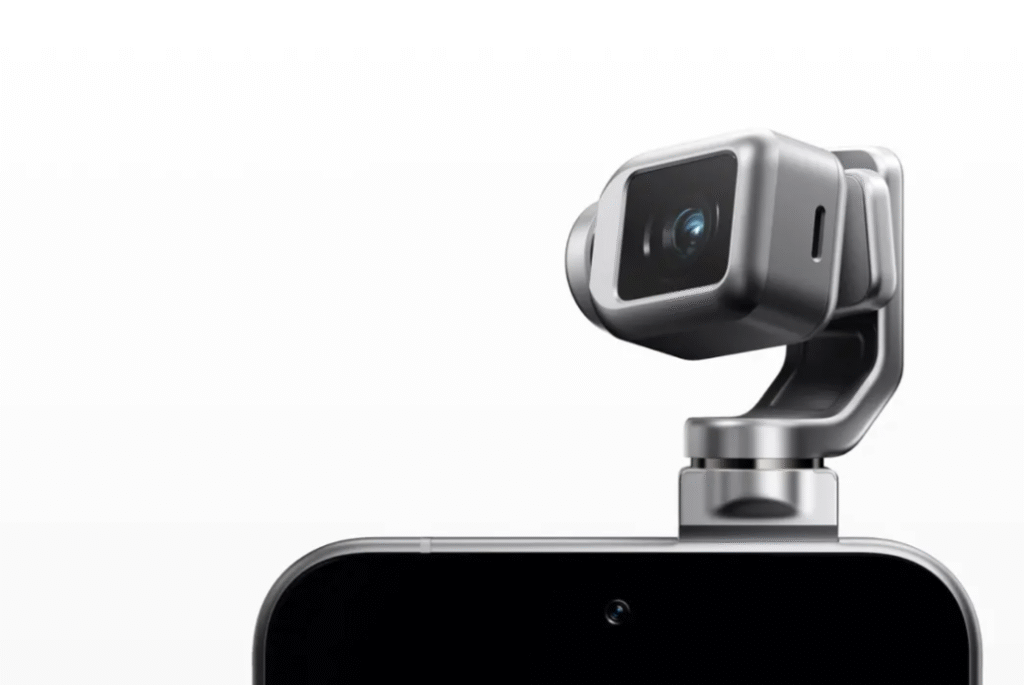
Honor’s new Robot Phone concept introduces a fold-out, AI-driven gimbal camera arm that moves, films, and interacts like a robotic companion. Here’s everything we know so far and why it could transform smartphone design.
A Glimpse into the Future of Smartphones
Every once in a while, a company dares to step beyond the predictable rectangles that dominate our pockets and imagine something truly futuristic. That’s exactly what Honor has done with its newly teased Robot Phone — a concept device that blends robotics, artificial intelligence, and photography into one bold piece of technology.
Unveiled as a surprise “one more thing” moment at the end of a flagship launch event, the Robot Phone represents a vision of what smartphones might become in the AI age: not just tools, but intelligent, emotional companions that see, sense, and respond to the world around them.
While still in the concept phase, the Robot Phone has already captured global attention thanks to its standout feature — a fold-out, gimbal-mounted camera arm that can move independently, track motion, and even “react” to its environment.
The Concept: A Camera That Comes Alive
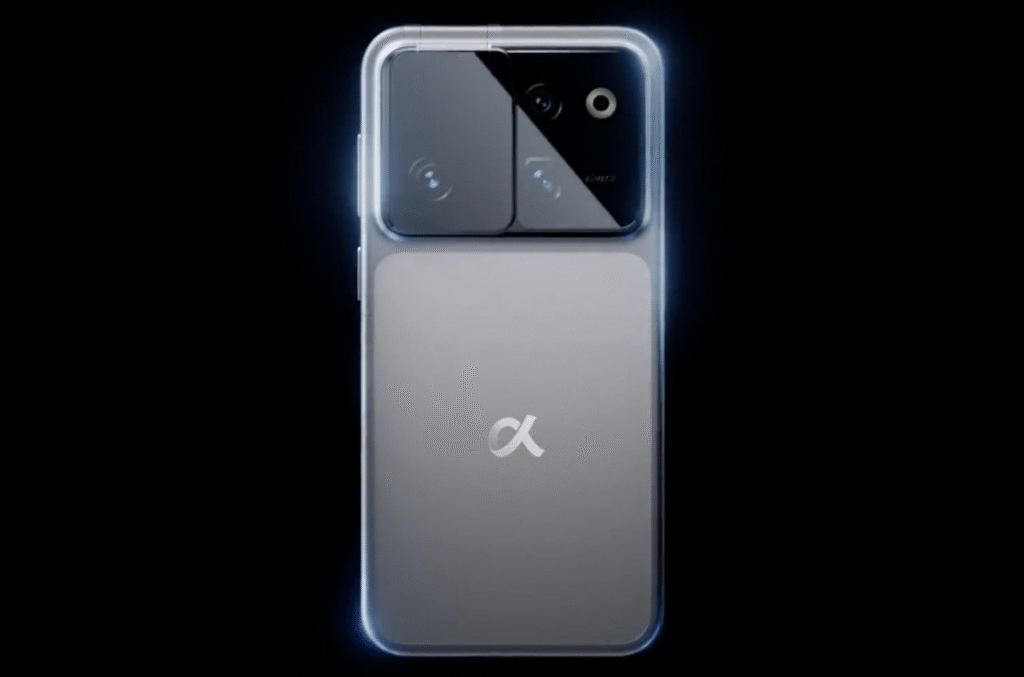
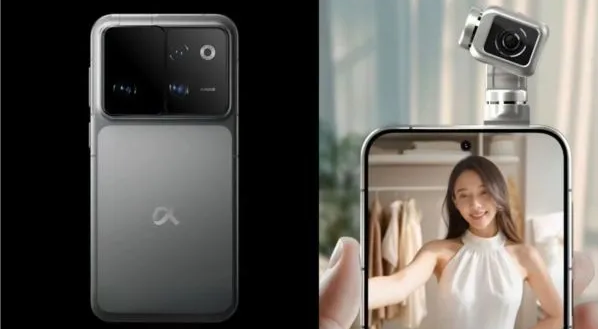
At first glance, the Robot Phone looks like a slightly thicker version of a typical Honor device. But turn it around, and you’ll see the difference immediately — a split camera module that conceals a mechanical surprise.
When activated, the upper part of the camera module unfolds into a robotic arm, revealing a main camera mounted on a gimbal system. In Honor’s teaser video, the arm emerges with a whimsical giggle (yes, it actually giggles), turning the phone into something that looks halfway between a smartphone and a mini film robot.
Once extended, the arm allows the main sensor to rotate, pivot, and shoot in any direction — whether it’s facing you for a selfie, tracking a subject for video, or capturing cinematic angles from creative perspectives.
In its folded state, the phone looks completely normal, but when the camera emerges, it feels alive — like the top of a DJI Osmo Pocket attached to a smartphone.
AI Meets Motion: The Robotic Intelligence Behind the Lens
According to Honor, the Robot Phone isn’t just about hardware mechanics; it’s designed to behave intelligently and autonomously.
In a press release, the company described it as “an emotional companion that senses, adapts, and evolves autonomously like a robot — enriching its users’ lives with love, joy, and wisdom.”
That may sound like marketing hyperbole, but the underlying idea is clear: Honor envisions a smartphone that can interpret what you want, analyze your environment, and frame shots automatically.
Imagine pointing your phone toward a moving child or a playful pet — and having the camera follow and focus intelligently without you touching the screen. Or setting it on a table, where it could track your gestures during a video call or a livestream.
This combination of robotic mobility and AI autonomy could mark the next evolution in mobile photography.
A Natural Progression of Smartphone Innovation
To understand how radical — yet logical — this idea is, it helps to look back at smartphone design trends over the past decade.
We’ve gone from pop-up selfie cameras (like the OnePlus 7 Pro) to flip-over lenses (Asus Zenfone 6) and rotating modules (Samsung Galaxy A80). Each innovation aimed to maximize screen-to-body ratio or enhance camera versatility.
Honor’s Robot Phone takes this idea several steps further. Instead of a static pop-up, the entire camera system becomes dynamic, moving independently on a hinge with its own stabilization system and robotic intelligence.
It’s as if the phone itself became a cinematographer — one capable of capturing, tracking, and adapting to subjects as if it had a personality of its own.
Design and Aesthetic: The Alpha Plan Vision
The concept device carries an alpha symbol (α) in place of the usual Honor branding — a nod to the company’s “Alpha Plan”, which represents its broader corporate vision for AI-driven innovation.
The design language hints at boldness and transformation. The body looks refined yet substantial, suggesting that housing the robotic mechanism required more internal space. Despite that, renders show a sleek silhouette rather than an industrial prototype.
When folded, it resembles a modern flagship with a large camera bump; when unfolded, it becomes an entirely different machine — more like a living camera than a smartphone.

What the Robot Phone Promises
While most of what we’ve seen so far comes from CGI teasers rather than real hardware, the implications are exciting. Here’s what Honor appears to be targeting:
- Autonomous Photography:
The AI-driven arm can independently track people or objects, automatically adjusting angles and focus. - Multi-angle Filming:
The gimbal structure allows smooth, cinematic motion shots, reducing the need for external stabilizers. - Creative Freedom:
Users can film from hard-to-reach perspectives — under a table, around corners, or overhead — without moving the phone. - Interactive Behavior:
Honor’s teaser video suggests the camera could recognize emotions or respond playfully — perhaps a hint at future “companion-style” AI integration. - Enhanced Vlogging Capabilities:
For content creators, vloggers, and filmmakers, this could redefine mobile production, offering flexibility that even premium smartphones can’t match.
Inspired by Robotics and the Human Touch
Honor’s press materials emphasize that the Robot Phone embodies a philosophy of emotional intelligence. The device, they say, should not only function efficiently but also “connect emotionally” with its user.
While that may sound poetic, the idea aligns with the industry’s ongoing exploration of human-machine interaction — where devices understand mood, tone, and facial expressions to respond in more personalized ways.
In this sense, the Robot Phone could mark a turning point where smartphones evolve from being passive tools into interactive companions — responsive, expressive, and capable of participating in your creative process.
A Successor to the Flip-Camera Legacy
This isn’t Honor’s first foray into experimental camera technology, but it’s certainly its boldest.
In 2019, Asus introduced the Zenfone 6, which used a flip-up main camera that doubled as a selfie shooter. It was praised for its ingenuity but remained a niche feature.
Honor’s concept pushes far beyond that. The fold-out robotic arm isn’t just about taking selfies — it’s about automated framing, tracking, and stabilization, enabling genuinely hands-free operation.
It could be the bridge between smartphones and robotics — the same way foldable phones bridged tablets and handhelds.
The AI Behind the Vision
While Honor has yet to disclose the specific AI models powering the Robot Phone, early indications suggest it will leverage multimodal AI, similar to large language and vision models that can understand text, voice, and visual cues simultaneously.
This would allow the phone to interpret complex instructions like:
- “Film me cooking dinner from the side.”
- “Take a picture when the fireworks go off.”
- “Follow my dog while it runs in the park.”
The combination of AI perception and robotic precision could transform content creation, especially for solo users and vloggers.
Potential Challenges and Practical Questions
As fascinating as the Robot Phone looks, it raises important questions about practicality, durability, and longevity.
1. Durability:
Mechanical components in smartphones have historically struggled with wear and tear. Dust, water, and accidental drops could compromise the arm’s performance.
2. Power Efficiency:
Operating a gimbal and sensors consumes extra energy. Honor will need to ensure that battery life doesn’t take a massive hit.
3. Weight and Thickness:
The additional moving parts may make the device heavier and thicker than standard flagships — a trade-off some users might resist.
4. Repairability:
Servicing a robotic arm module would likely require specialized support, potentially increasing repair costs.
5. Real-world Utility:
While the tech is impressive, Honor must prove that users genuinely benefit from it beyond the novelty factor.
Industry Response and Competition
Honor’s concept arrives at a time when smartphone design innovation has plateaued. Companies like Apple and Samsung focus on iterative upgrades — better cameras, faster chips, and incremental AI features — while few dare to reinvent the hardware itself.
In contrast, the Robot Phone is a statement: that physical innovation still has room in an increasingly software-dominated market.
Other brands are also experimenting in this space. Oppo has teased rollable screens; Xiaomi has explored transparent displays; and Samsung continues to refine foldables. But no one has quite merged robotics and AI mobility in this way.
Analysts suggest the Robot Phone could spark a new niche category — AI companion devices — merging smart photography, robotics, and personal assistant functions.
When Will We Know More?
Honor has confirmed that a more detailed unveiling is planned for Mobile World Congress (MWC) 2026 in Barcelona.
That event may showcase:
- The first working prototype of the Robot Phone.
- Details about its hardware (sensor type, processor, battery).
- A timeline for potential production or limited-edition release.
- A demonstration of its autonomous camera tracking in real time.
For now, all we have is a teaser — but it’s enough to set the tech world buzzing.
Why the Robot Phone Matters
Beyond the flashy mechanics, the Robot Phone represents a deeper shift in how we think about smartphones.
For years, we’ve relied on static slabs of glass and metal. Honor’s concept reimagines them as dynamic, sensing, and expressive machines that don’t just capture our lives — they actively participate in them.
If realized successfully, this technology could:
- Revolutionize mobile filmmaking.
- Enable new forms of hands-free interaction.
- Redefine the relationship between user and device.
- Inspire further convergence between AI, robotics, and consumer tech.
It’s a bold, perhaps even eccentric, step — but it’s one that could shape the design language of smartphones in the next decade.
Final Thoughts: More Than a Phone
Honor’s Robot Phone is still just a concept, but it represents the kind of ambition the smartphone industry desperately needs.
It blends AI creativity, robotic engineering, and human emotion into one device that challenges the very idea of what a phone should be.
Whether it becomes a reality or remains a showcase of imagination, it signals a thrilling direction for future devices — one where our phones aren’t just smarter, but more alive.
As the company gears up for MWC 2026, one thing is certain: the world will be watching closely to see if Honor can turn this futuristic vision into a tangible, working piece of technology.
Internal Linking Suggestions:
- Link “Honor Robot Phone” to your smartphone innovation category.
- Link “AI camera technology” to your mobile photography page.
- Link “Mobile World Congress 2026” to your tech events calendar.
- Link “AI-driven hardware design” to your robotics and AI section.