MuhammadSalis
Each winter, Delhi’s air quality plunges into the “poor” to “very poor” range. Firecrackers, stubble burning, vehicle emissions and winter weather combine into a predictable public-health crisis. Here’s what drives it, why fixes keep failing, and what long-term solutions could actually work.
Slug: delhi-winter-smog-why-it-returns-and-how-to-fix-it
Introduction
Every year, almost on cue, a thick grey veil descends over Delhi and its satellite cities. Eyes sting, throats burn, and air-quality indices flash red. Post-Diwali, the situation typically worsens: fireworks inject a burst of fine particles into an already stressed atmosphere. This season followed the familiar script, with monitors swinging between “poor” and “very poor,” and headlines calling it the worst post-festival air in years.
THE PROBLEM ISN’T ONE THING — IT’S EVERYTHING, ALL AT ONCE
Delhi’s pollution spikes are a convergence of factors:
• Firecracker emissions around Diwali
• Crop-residue burning (stubble burning) across Punjab, Haryana and Uttar Pradesh
• High baseline urban pollution from vehicles, industry, waste burning and dust
• Seasonal meteorology — cooler temperatures, thermal inversions and low wind speeds that trap pollutants near the ground
Because these drivers overlap, no single policy lever can solve the crisis on its own.
WHAT THE NUMBERS SAY (AND WHY THEY CONFLICT)
Recent reports have painted a mixed picture. One analysis circulated in Indian media attributed this year’s post-Diwali spike primarily to fireworks, claiming stubble-burning incidents were down sharply due to flood-damaged harvests. At the same time, official updates from Punjab’s pollution control authorities indicated stubble-burning cases rose threefold in a 10-day window (more than 350 incidents vs. 116 earlier in the month). Both can be true in different timeframes: episodic surges in farm fires can coincide with festival emissions and unfavorable weather, compounding the impact.
WHY STUBBLE BURNING PERSISTS — EVEN WITH CAMPAIGNS
Over the past few years, state and central programs have pushed in-situ management (mulchers, happy seeders), ex-situ uses (baling for energy or packaging) and cash incentives. Punjab’s fires reportedly fell from 36,663 incidents (2023) to 10,909 (last year), indicating progress. Still, burning remains stubbornly common for one core reason: it is the cheapest and fastest way for many small and marginal farmers to clear fields between tight crop cycles. When mechanization support is uneven, service networks thin, or payouts delayed, the rational short-term choice is to burn.
FIRECRACKERS: “GREEN” ≠ CLEAN
Just ahead of the festival, India’s top court relaxed a multi-year ban, allowing “green crackers” for limited windows. In practice, enforcement lagged: sales were visible in markets, crackers went off beyond permitted hours, and not all were the less-polluting types. Even when rules are followed, “green crackers” typically cut emissions by only 20–30% — better than conventional, but still a significant PM2.5 source when used citywide.
WINTER WEATHER LOCKS THE POLLUTION IN
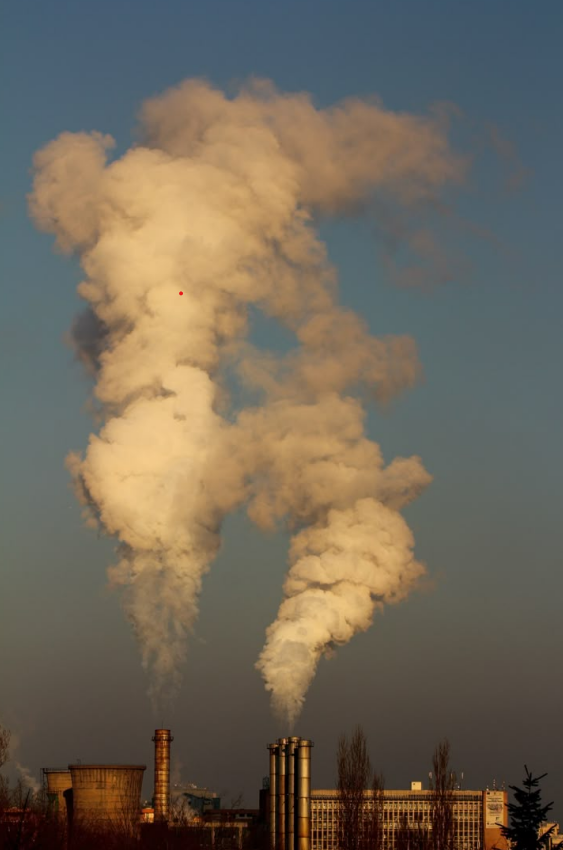
From late October to January, Delhi’s meteorology turns against it. Cooler nights and weak winds promote temperature inversions — layers of warm air aloft that cap cooler, polluted air near the surface. With little vertical mixing, particle concentrations build, and every emission (from vehicles to fireworks to farm fires) lingers far longer than it would in summer.
THE HUMAN COST
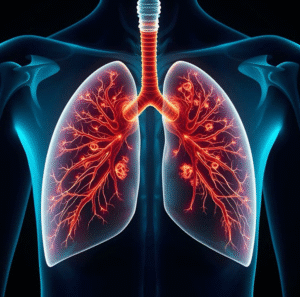
Residents report cough, sore throat, watery eyes, and breathlessness. Doctors warn that chronic exposure erodes the body’s defenses and raises risks of asthma exacerbations, COPD flare-ups, cardiovascular stress, adverse pregnancy outcomes, and long-term impacts on children’s lung development. Despite this, public debate often devolves into annual blame games rather than sustained action.
POLITICS AND THE BLAME LOOP
The recurring pattern is familiar: Delhi and neighboring states trade accusations, particularly over farm fires and festival enforcement. This year, Delhi’s environment minister alleged Punjab officials were effectively pushing farmers to burn; Punjab’s government countered that Delhi was deflecting from its urban sources. The result is political heat without atmospheric relief.
WHAT ACTUALLY WORKS: A PRACTICAL, MULTI-YEAR PLAYBOOK
Breaking the annual cycle demands coordinated, long-horizon measures that survive election cycles.
- Stubble management that works for farmers
• Guaranteed, timely cash incentives disbursed digitally within days of proof of non-burning.
• Dense, affordable custom-hiring networks for mulchers, happy seeders and super straw management systems — with service-level guarantees during peak windows.
• Ex-situ markets at scale (baling, bioenergy, ethanol, packaging) backed by assured procurement prices so residue becomes a cashable resource, not a disposal headache.
• Crop diversification pilots tied to water budgeting (e.g., incentivizing less-residue, less-water crops where feasible) with minimum-support safeguards. - Firecracker policy that balances culture and clean air
• Keep short, enforceable windows; pair with citywide supervision and retailer licensing tied to real penalties.
• True “green” validation with QR traceability; seize non-compliant stock.
• High-profile public alternatives (laser shows, community light shows) that celebrate without smoke. - Urban measures that reduce the baseline
• Transport: Low-emission zones on bad-air days; bus fleet electrification; last-mile e-mobility; synchronized, real-time traffic management to cut idling; dust control at construction sites with on-site monitoring and fines.
• Industry & waste: Continuous emissions monitoring for big stacks; 100% ban and enforcement on open waste burning; distributed biomethanation/composting to cut landfill fires; cleaner fuels for small industries with financing help to retrofit burners.
• Road dust & re-suspension: Mechanized sweeping, pavement maintenance, and strict covering of material transport. - Clean-air governance that can actually govern
• A permanent, empowered Regional Clean Air Authority for NCR states with joint budgeting, pooled enforcement squads, and shared meteorology-based action plans.
• A single, public Clean Air Dashboard that fuses satellite fire counts, enforcement actions, and source-apportionment updates in near-real time.
• Seasonal graded response plans (GRAP-plus) that trigger automatic actions (odd–even, construction curbs, generator restrictions) on forecast, not just after AQI crosses thresholds. - Health protection right now
• Make N95/KN95 masks available at subsidized rates during red-alert days; school and workplace advisories linked to forecast AQI.
• Air cleaning where it matters: classrooms, hospital wards, elderly care, and anganwadi centers; portable purifiers for vulnerable households via health schemes.
• SMS and app alerts that translate AQI into plain-language guidance (limit outdoor time, avoid exertion, medication reminders for respiratory patients).
WHY SHORT-TERM BANS ALONE DON’T STICK
Temporary restrictions can shave peaks but cannot reset the baseline. Emissions saved in one pocket are often offset elsewhere without structural change. Durable, year-round reductions require economic alignment (farm economics, fuel choices, freight logistics), predictable enforcement, and stable financing.
WHAT CITIZENS CAN DO (AND WHAT THEY CAN EXPECT)
• Plan commutes: prefer metro/bus on red-alert days; avoid peak-hour idling routes where possible.
• Home hygiene: keep windows closed on high-AQI days; use HEPA purifiers if available; wet-mop to reduce indoor dust.
• Masks outdoors when AQI is “very poor” or worse, especially for children, elderly, pregnant people, and those with heart or lung disease.
• Community action: resident-welfare associations can curb waste burning, enforce dust control at local worksites, and host cracker-free celebrations.
• Demand transparency: follow the public dashboard; ask representatives for quarterly progress on residue management, bus electrification and construction dust audits.
WHY PROGRESS IS POSSIBLE
Source-apportionment studies consistently show that no single sector dominates all year; each season has different levers. That’s good news: it means targeted, seasonal policies can deliver wins if executed well. The drop in farm fires reported last year in Punjab shows behavior can shift with the right mix of incentives and services. Delhi’s growing public transport and EV ecosystem shows urban baselines can improve.
CONCLUSION: FROM ANNUAL CRISIS TO ANNUAL CHECK-IN
Delhi’s winter smog has become a ritual — but it doesn’t have to be. The technical solutions are known; the challenge is coordination, credibility, and continuity. A regional authority with shared funding, farmer-first residue markets, enforceable festival rules, and year-round urban abatement can bend the curve. Until then, each winter will bring the same script: political theater, temporary bans, and millions breathing unsafe air.
Internal linking suggestions
• Link to your explainer on “What AQI means and how to protect yourself.”
• Link to your primer on “Stubble burning: incentives, machines, and alternatives.”
• Link to a “Mask buyer’s guide for polluted cities (N95/KN95).”
• Link to “Delhi’s GRAP: What kicks in at each stage and what residents should expect.”
• Link to “How temperature inversions trap pollution in winter.”